Home » Divorce and Family law Blog » Do i Need a Lawyer for Mediation in California?

Founder Attorney-Mediator and California's Top-Rated Super Lawyer

Dina Haddad and her team provide expert mediation services for Californians. If you want help related to any family law issue, call us or book a consult.
You are not required to have a lawyer during mediation. Why? Because the process is designed to reduce litigation. When done correctly, mediation lowers costs, time is not wasted, and the focus stays on high-quality creative agreements, not conflict.
A lawyer can help in some situations, especially in complex situations, but it is not necessary. In many cases, an experienced mediator can manage the process, ensuring guidance stays structured and that the process remains effective.
Dina Haddad and her team have mediated thousands of family law matters. Their experience spans a wide range of cases. So, if you are unsure about legal representation, support is available. Schedule a free consultation with Dina Haddad today.
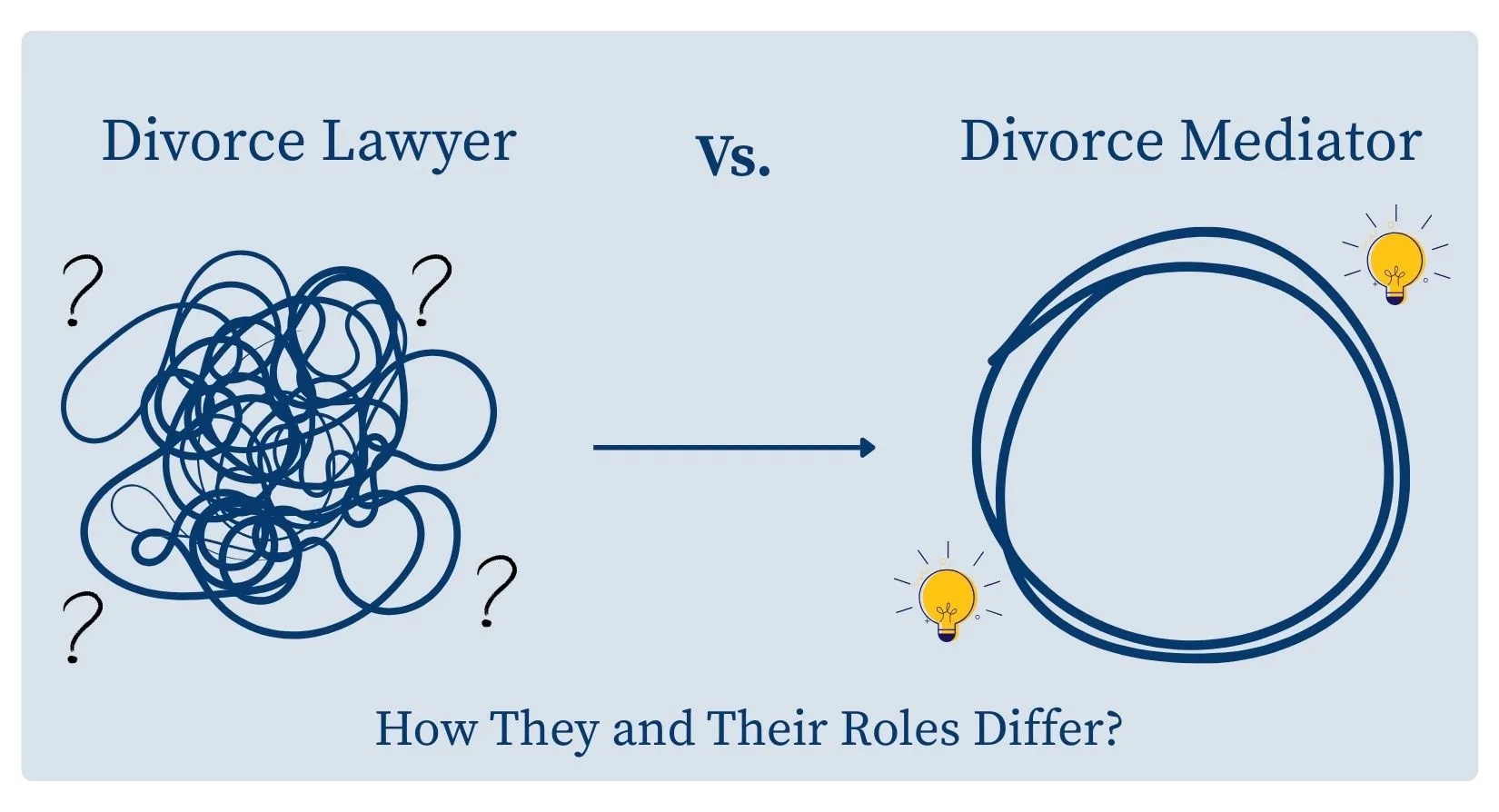
A divorce lawyer represents only one spouse. The role is advocacy where legal advice is personalized and the lawyer focuses on protecting that client’s rights and pursuing specific outcomes.
Each spouse hires and pays their own lawyer; however, California law allows the lower-earning spouse to request from their spouse payment towards their fees. In addition to representing the client in court proceedings, the lawyer may draft a marital settlement agreement (MSA) as part of client representation.
In contrast, a divorce mediator serves as a neutral third party with the goal of dispute resolution without trial. The mediator does not give legal advice, takes no sides, and imposes no decision.
The mediator’s main job is to ensure conversations move smoothly towards a resolution that benefits both parties. Agreements made during these sessions are confidential but not legally binding except compiled in an MSA then filed with the court to be enforced.
In most mediation cases, a lawyer is not required because the process is designed to function without attorneys present. However, in some situations, legal consultation is advisable during the process.
This attorney involvement isn’t to replace mediation but can help the party understand the mediation, assist the party with negotiations, or support the party in reaching the mediated agreements. For cases where legal representation can be useful, these include:
Large assets are complex to manage, business interests need careful review, and even retirement accounts can be difficult to divide. These high-asset cases may benefit from legal or financial guidance to minimize foul play.
Mediation is not recommended in high-risk cases involving domestic violence, intimidation, and severe power imbalance. In these situations, a more legal approach is often necessary. If mediation is an option, having an attorney either attend the mediation or supporting the party is crucial.
Cases involving relocation can become highly emotional. Special needs may add complexity and disputes over income often increase tension. In these cases, legal guidance can provide structure and help ensure outcomes remain reasonable and balanced.
Agreements must meet California court requirements, and errors can cause rejection. An attorney can review documents before filing to ensure legal compliance and reduce the chances of rejection. This is particularly important if a non-attorney mediator is used.
Mediation relies on full disclosure because withheld information creates ineffective agreements. In this case, legal intervention may be required to compel transparency.
When one partner brings a lawyer to the mediation session, consulting with your own attorney can level the playing field. Often mediators will not speak to one attorney alone and require both to be available to prevent the mediator from being in a representing role.
Rushed agreements carry long-term risk, leading to important details being missed. Legal advice can slow the process appropriately for proper assessment.
Ask whether a limited-scope review is sufficient. Let the attorney explain how fees are structured and clarify the role they would play during mediation.
Consider whether their involvement would increase overall divorce costs. Also think about possible delays and whether the attorney will be available to you as a mediation case (compared to cases that might demand time like litigation). This helps you decide whether to consult an attorney or work only with the mediator. Learn how mediation is distinct from divorce litigation.

Thousands of families in California resolve divorce and family law matters through mediation, and they do so without hiring lawyers. This applies to both private mediation and court-mandated mediation.
As long as both parties communicate and cooperate, legal representation is often unnecessary. In these cases, a skilled mediator manages the process, facilitating negotiation and drafting agreements to be filed in court. A lawyer is usually not essential when:
1. Parties are committed and cooperative: Both spouses participate willingly, are present in good faith, and information is shared openly to support the process.
2. You want to negotiate directly: Mediation allows parties to discuss issues without advocacy-driven positioning.
3. You want to keep the process simple: Straightforward finances and parenting arrangements are well suited for mediation.
4. You want to control divorce and its costs: Avoiding attorneys helps reduce fees and keeps the focus on resolution rather than procedure.
From a mediator’s perspective, the lawyer that the party hired matters. Many lawyers support mediation and their client’s efforts to resolve their matter outside of court.
However, an attorney that does not support settlement or mediation is counter-productive to the mediation. The attorney can negatively impact the party’s ability to reach a mediated settlement, even one that favors that party.
Mediation supports direct communication and problem-solving between the parties. However, legal advocacy can alter that dynamic. Here’s how legal representation affects mediation:
While not required, an attorney can add value during mediation. This is most helpful when complexity exists like power imbalances and safety risks.
An attorney explains legal terms clearly and outline all rights and obligations. This supports accurate documentation, makes long-term consequences easier to understand, and costly mistakes are more likely to be avoided.
Attorneys review mediated agreements carefully to ensure court standards are confirmed. Terms are also evaluated for balance and ambiguous language is clarified. Legal gaps are addressed early to make future disputes less likely.
An attorney analyzes financial disclosures and spots inconsistencies, undervalued assets, and income issues. When noticed, they may recommend appraisers or accountants to ensure decisions are fully informed during mediation.
Legal counsel provides an objective review, ensuring proposed terms are evaluated carefully. With their help, trade-offs are explained, modifications can be requested, decisions align with long-term interests, and short-term pressure is reduced.
An attorney helps address imbalance, counter intimidation, reduce knowledge gaps, and manage pressure from the other party. In the end, discussions become more equitable and mediation remains productive.
A lawyer can support mediation in several ways. Legal guidance may be provided before sessions begin, support can continue during mediation, and review may also happen after sessions conclude.
That said, attorney involvement often increases costs. It can also introduce adversarial dynamics. Most lawyers charge hourly, while some offer limited-scope consultations instead.
Nevertheless, legal representation is essential in certain situations. For example, safety concerns require added protection, complex matters justify legal involvement, and power imbalances may also make support necessary. But in cooperative and transparent cases, mediation often succeeds without lawyers.
Schedule a free consultation with Dina Haddad to know whether your unique situation can benefit from legal counsel.
Yes. Mediation does not require legal representation. Many California families mediate successfully without lawyers. This works best when both parties cooperate and share full information willingly. It is also more likely to be successful when an attorney-mediator is used to mediate the matter.
Yes. You may attend mediation with your spouse and without attorneys present. The mediator guides the process and guarantees that discussions will stay structured. If needed, you can consult a lawyer separately for legal review of all agreements.
A lawyer provides legal advice and ensures rights and obligations are explained. They also review all proposed agreements and can request a change in settlement terms if they notice unfairness.
Yes. Lawyers may attend mediation sessions. However, this usually requires agreement from both parties, and the mediator may also need to approve. Their presence can increase cost and may also change the mediation dynamic. However, for complicated matters, having the attorneys present is far more affordable than going to trial.